
Eight advanced art students from Drawing/Painting 2, 3D Design, and Portfolio 2 were selected to participate in a 9-week collaborative student art exhibition centered on Equity, Diversity, & Inclusion, Social Emotional Learning, and Belonging as part of an action research project. At the start of quarter 4 Mr. Juárez provided them with enough content to kickstart the brainstorming session. This resulted in weekly meetings at the start of the class period to go over project ideas, questions, and peer feedback. As a collective, it was decided to create up to three pieces addressing the aforementioned topics.
They were introduced to a variety of logistics involved in the organization of an art exhibition. Items discussed were curation, curator, intent, thematic, body of work, sight line, and image list. In addition, designing promotional materials such as an exhibition poster and brochure. Throughout the allotted timeframe, Mr. Juárez scheduled 1-to-1 conversations to check-in on their progress, answer questions and/or address concerns. Two weeks prior to the installation of “Through Our Eyes” Exhibition, they participated in a series of audio interviews that delve a bit deeper into this project, their creative process, and artwork.
Objective(s)
- To design a themed exhibition centered on Equity, Diversity, & Inclusion and Social Emotional Learning.
- To express themselves, their thoughts, curiosities, and emotions through their art and ideas.
- To give students ownership and agency of their own learning, exploration, and investigation.
Goals(s)
- Activate the art room as a place of belonging.
- Encourage ongoing communication between students.
National Visual Arts Standards
Responding – Anchor Standard 7: Perceive and analyze artistic work.
- Performance Standard- VA:Re.7.2.IIIa | Analyze how responses to art develop over time based on knowledge of and experience with art and life.
Presenting – Anchor Standard 4: Select, analyze, and interpret artistic work.
- Performance Standard- VA:Pr4.1.IIIa | Critique, justify, and present choices in the process of analyzing, selecting, curating, and presenting artwork for a specific exhibit or event.
Connecting – Anchor Standard 11: Relate artistic ideas and works with societal, cultural, and historical context to deepen understanding.
- Performance Standard– VA:Cn11.1.IIIa | Appraise the impact of an artist or a group of artists on the beliefs, values, and behaviors of a society.
Responding – Anchor Standard 7: Perceive and analyze artistic work.
- Performance Standard– VA:Re.7.1.IIIa | Analyze how responses to art develop over time based on knowledge of and experience with art and life.
About the action research project
Mr. Juárez is part of a national virtual professional learning community (PLC) group, Connected Arts Network (CAN). He is one of 17 national teacher leaders focusing on creating curriculum and programming that is equitable, diverse, and inclusive as well as focusing on social emotional learning to create a community that supports, uplifts, and empowers each other through art, identity, voice, and collaboration.
Weekly Meetings
Art students decided to meet on Wednesdays to check in, ask questions, problem-solve, etc. These weekly meetings provided the structure needed to finish within the allotted timeline.


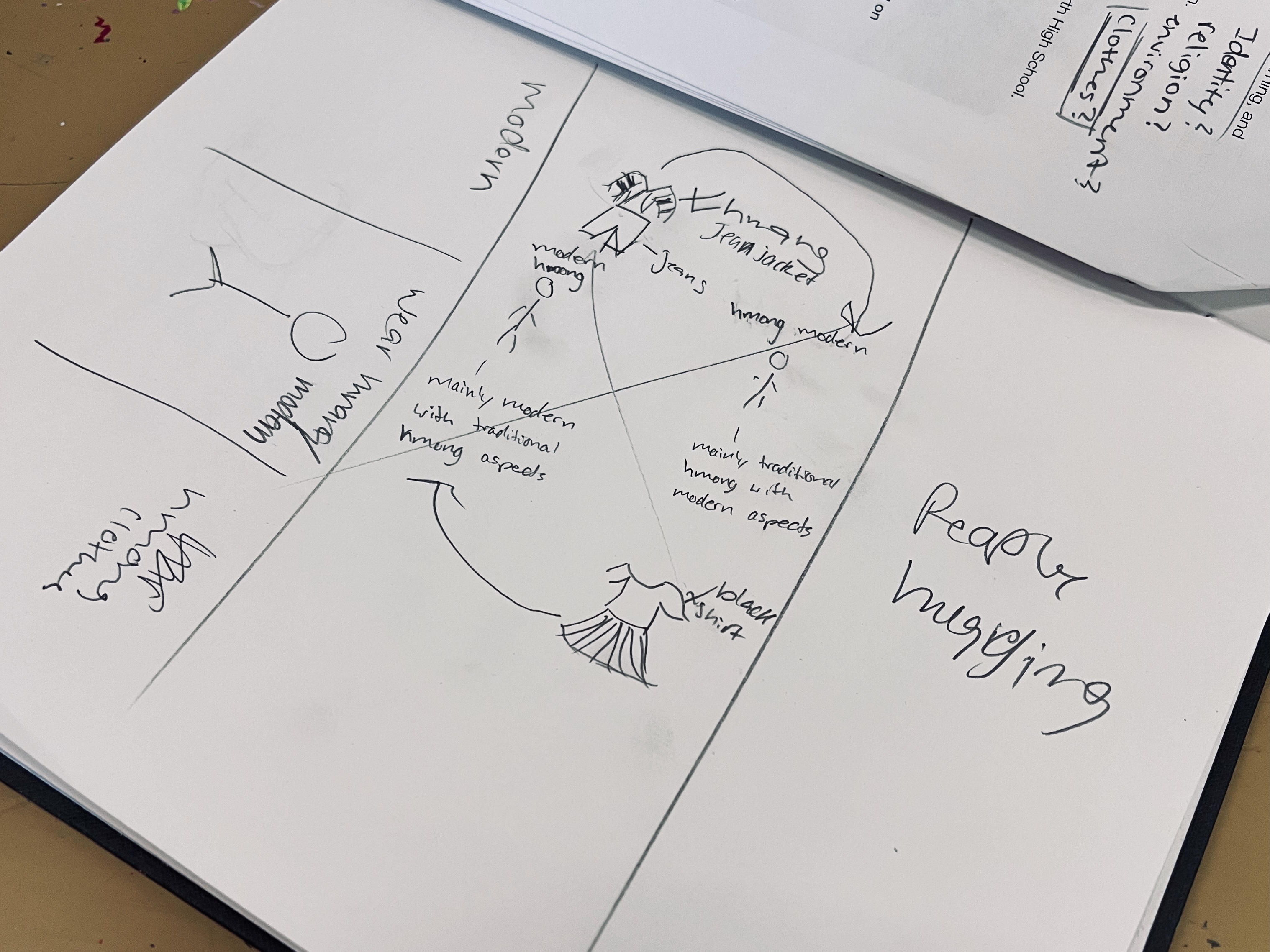
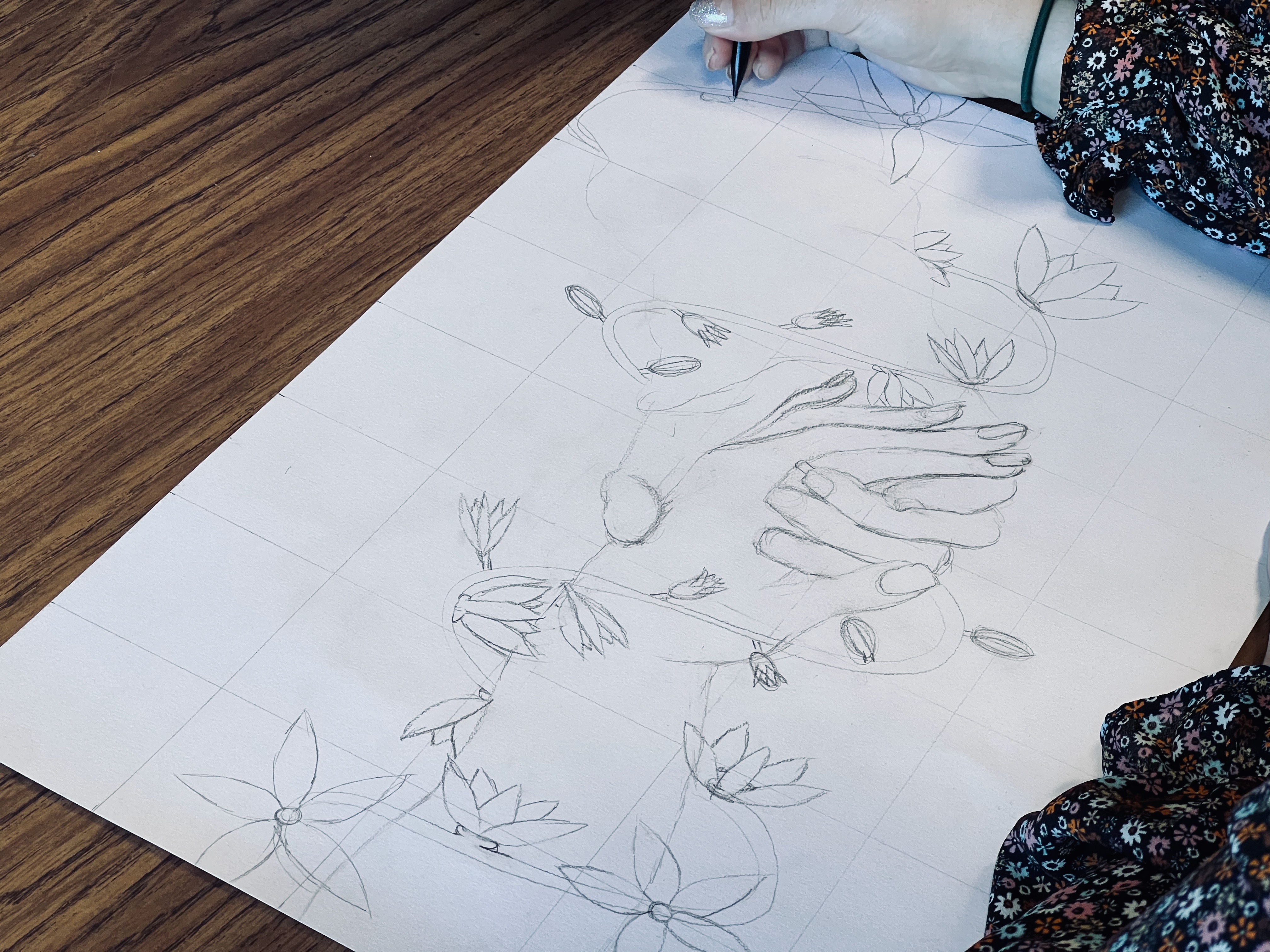
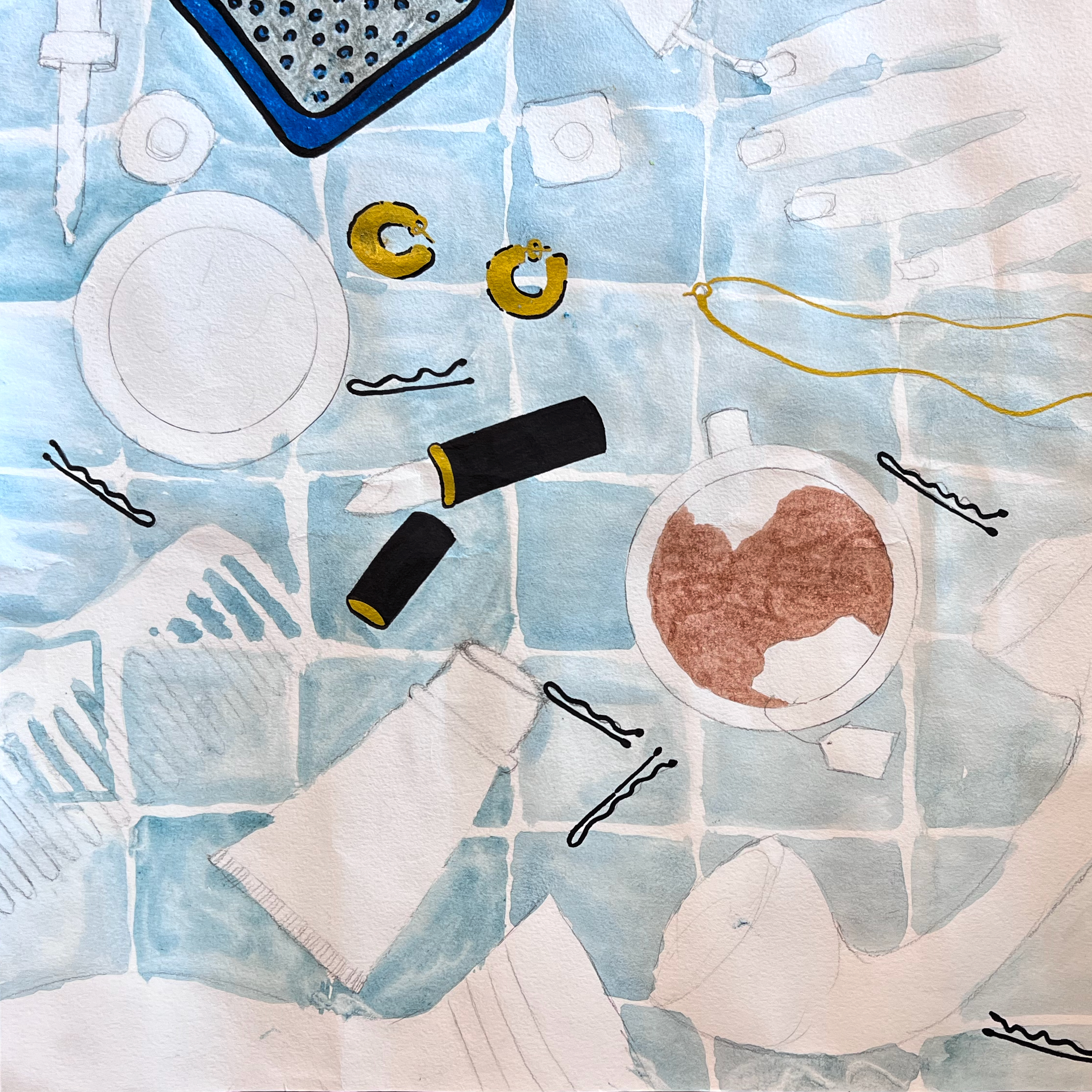
Works in Progress
Documenting student work during the creating phase is important in personal reflection.





Installation
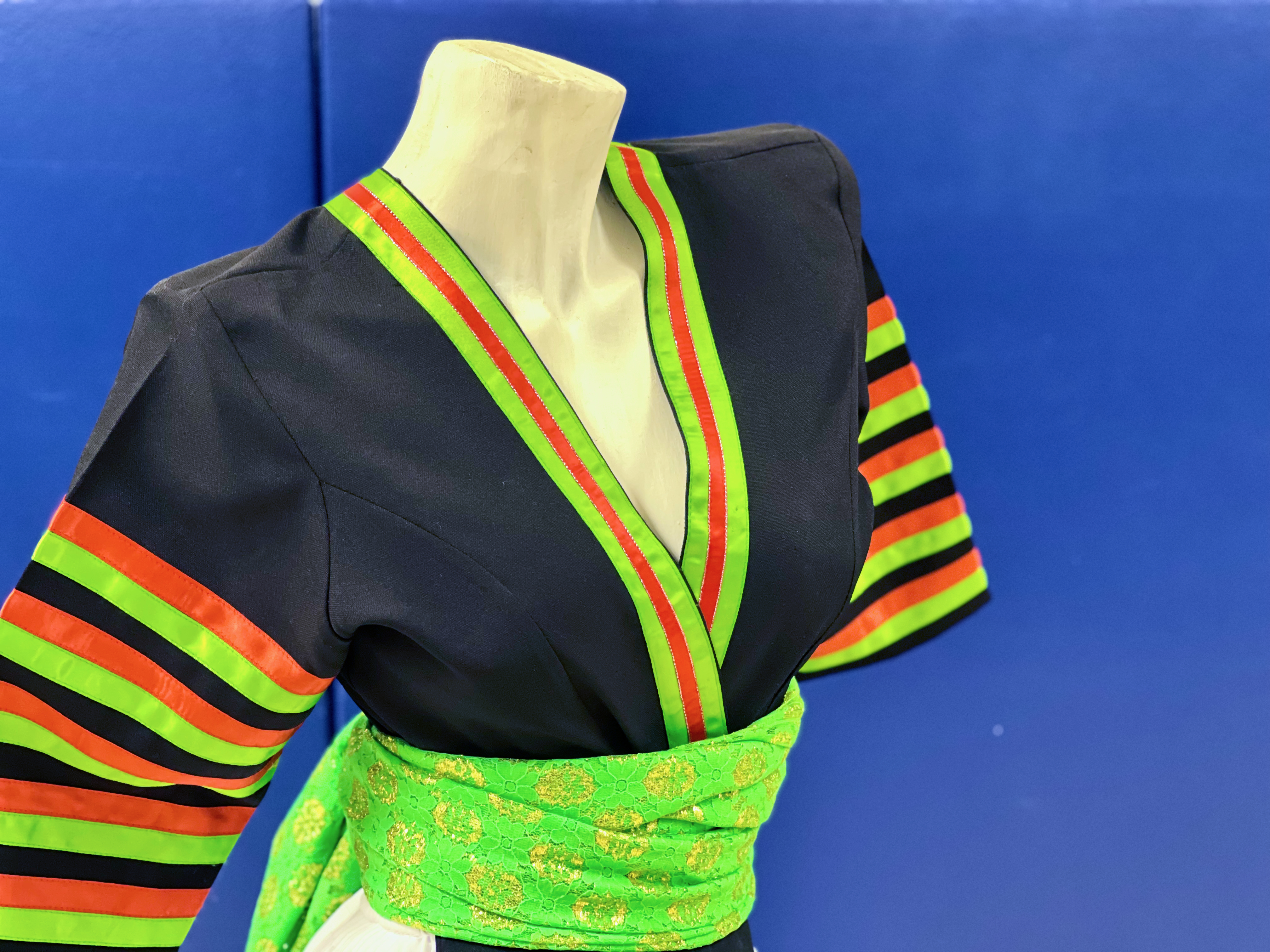
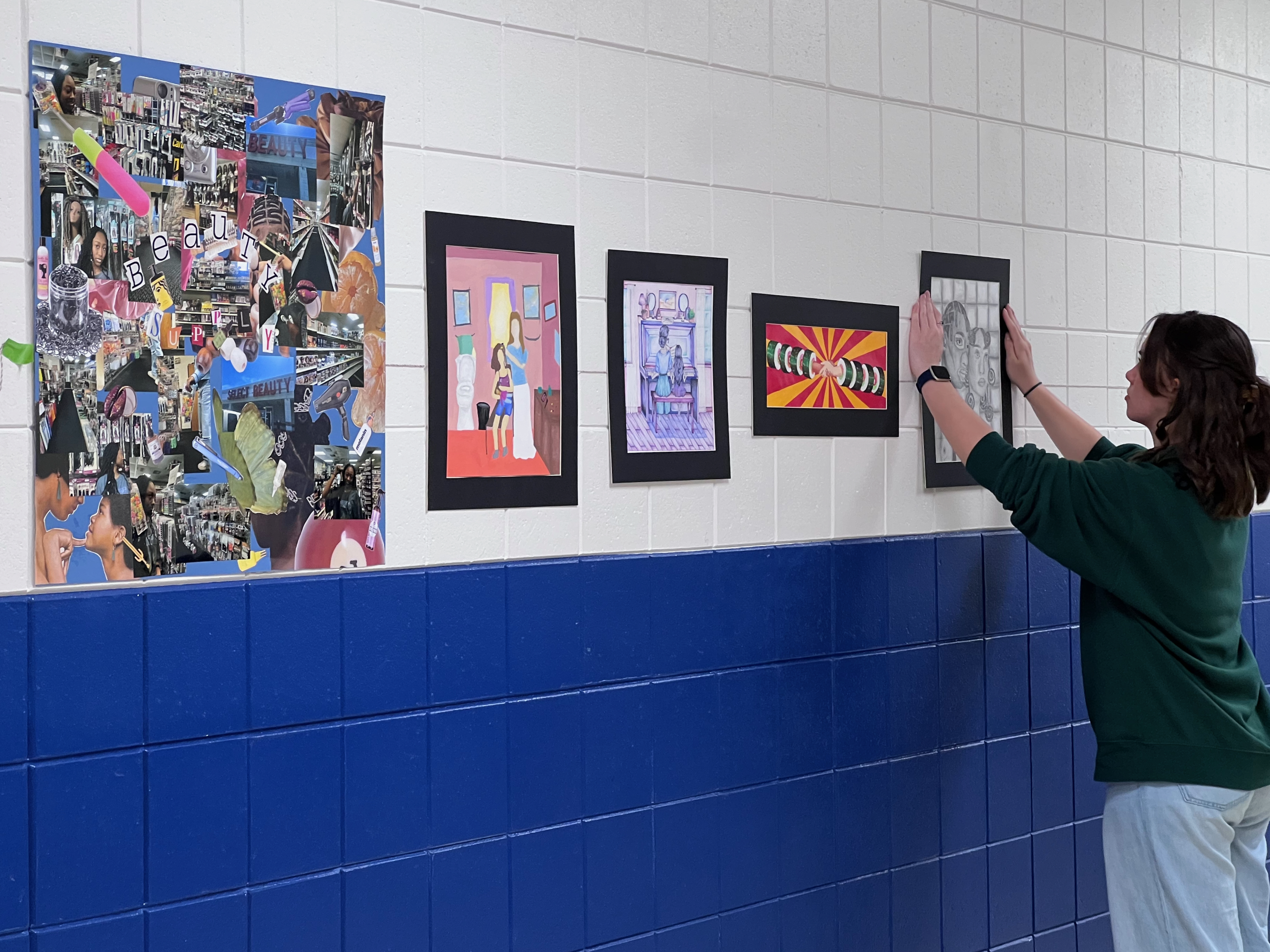
Students were introduced to the proper way to install art. This was a great opportunity to talk about curation, sight line, installation, and creating a dialogue between the artworks as a way of storytelling.





Reception
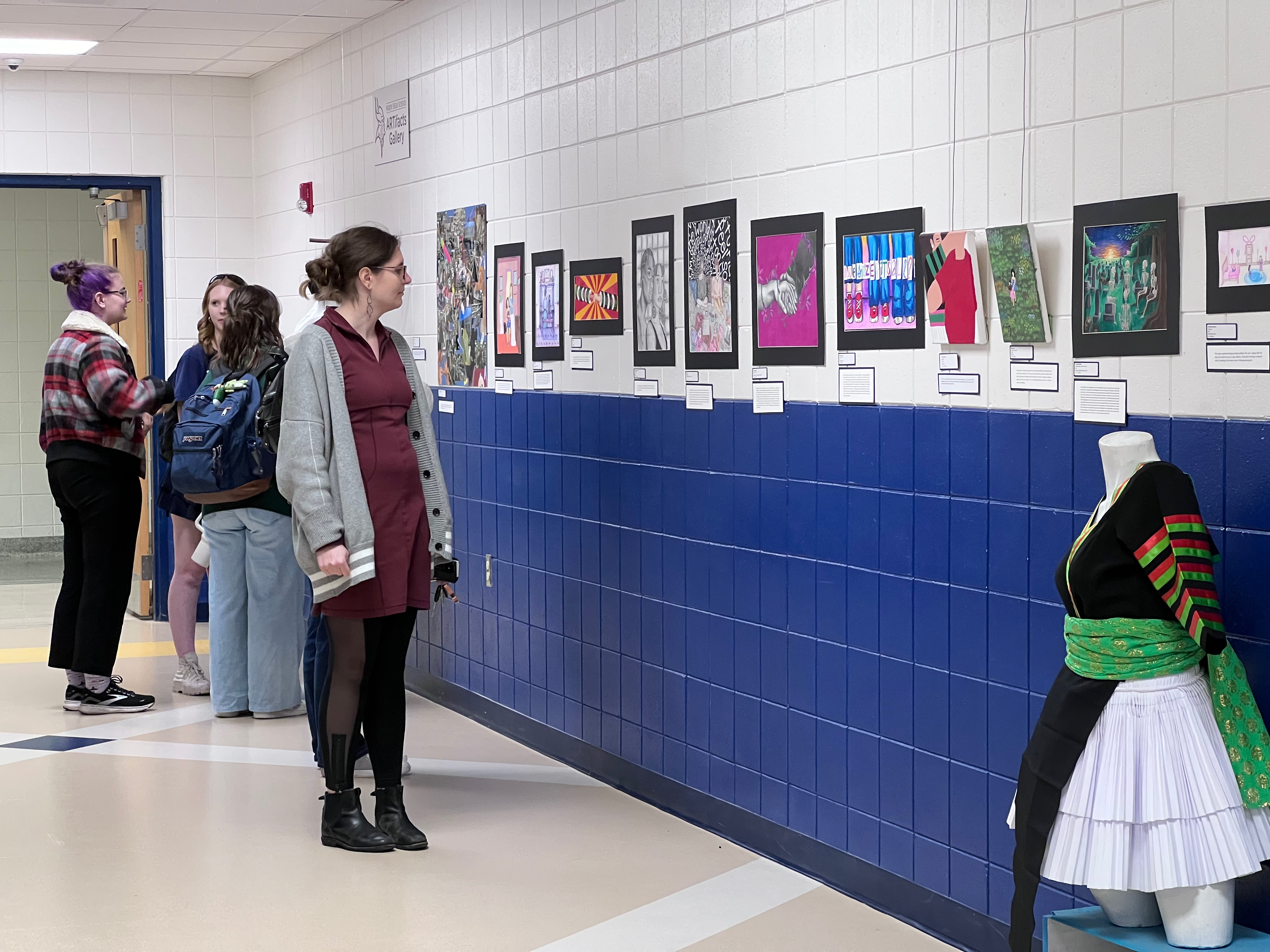
What better way to celebrate than to have a closing reception for “Through Our Eyes” Exhibition.



Artworks
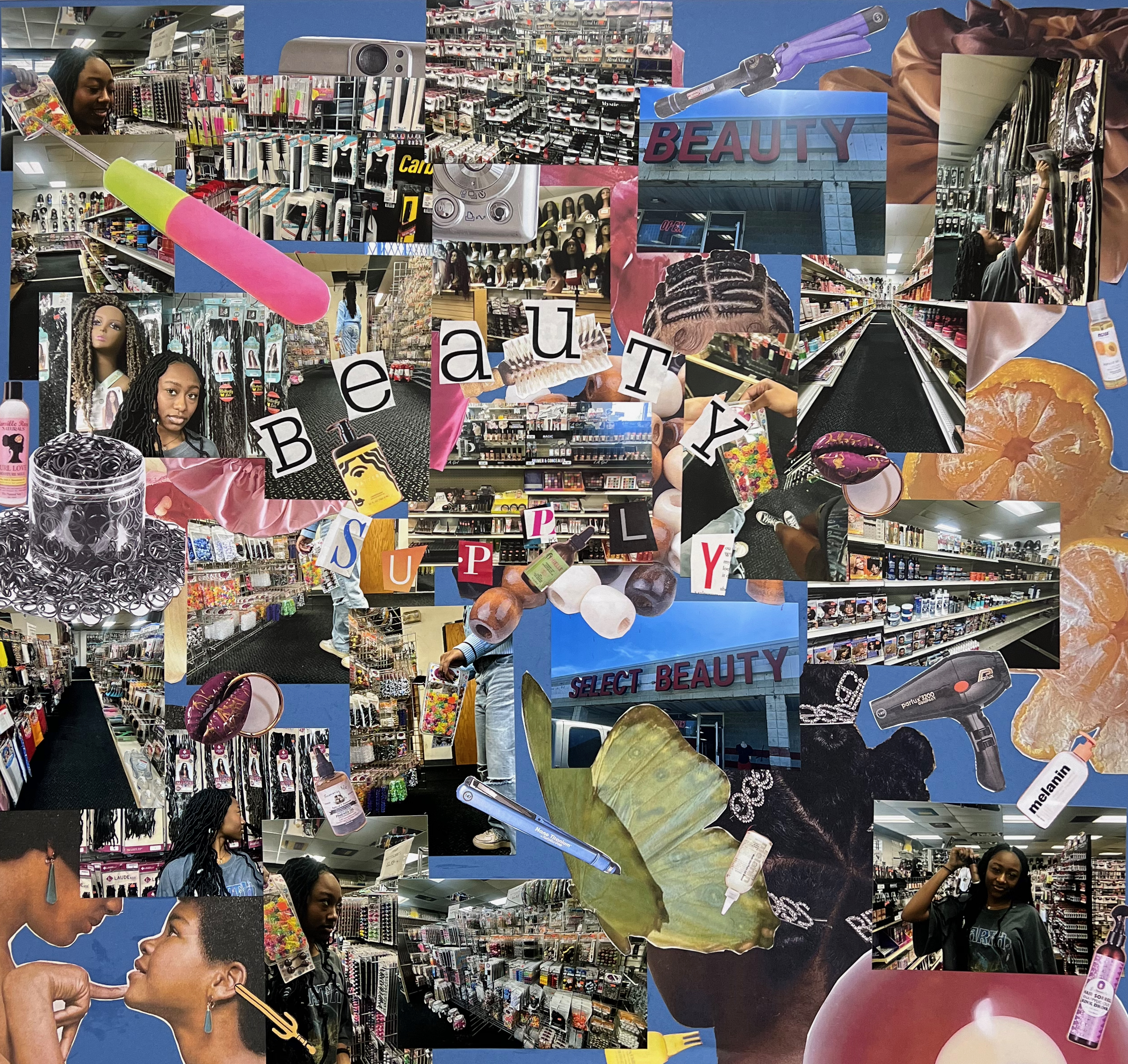
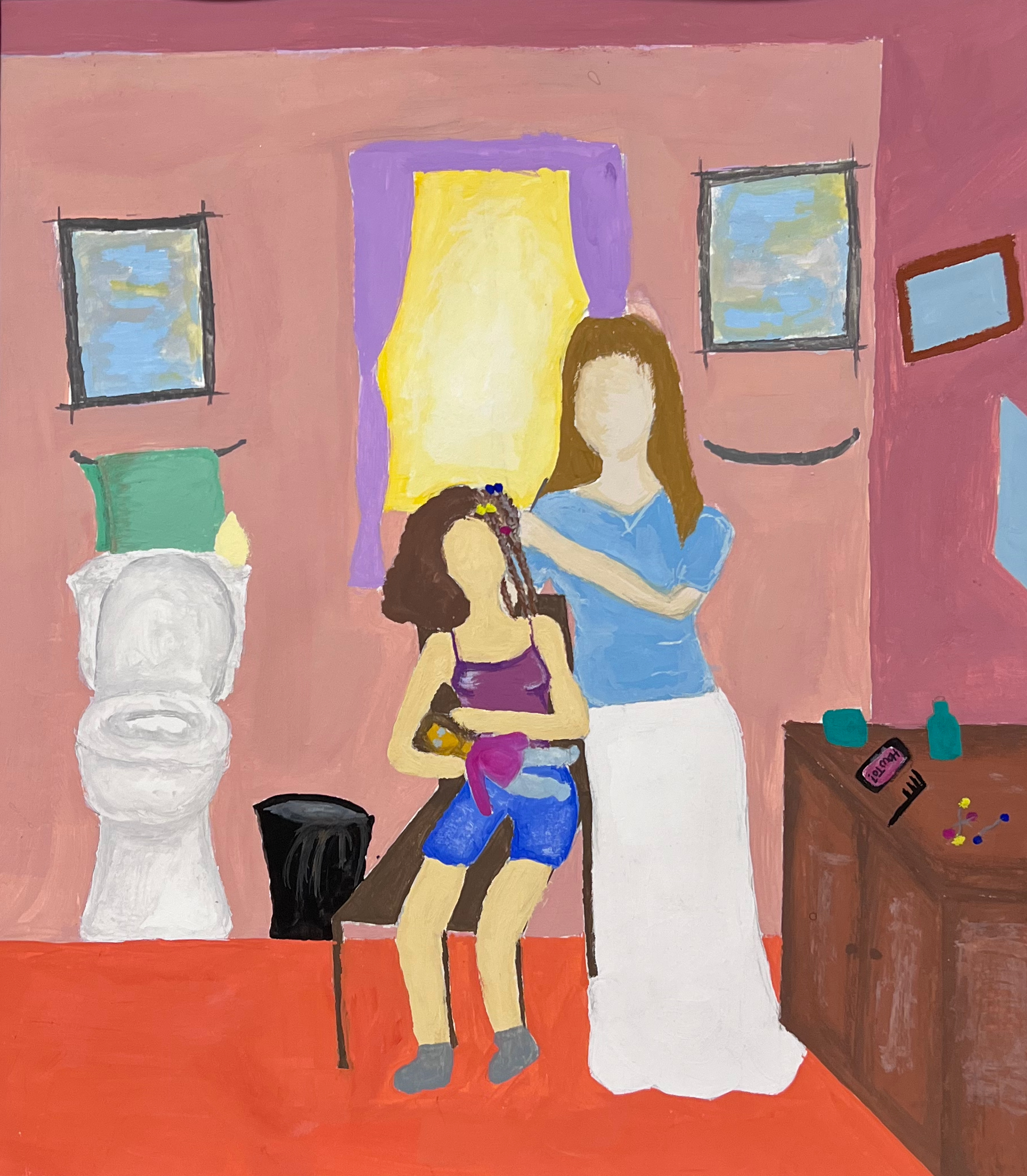
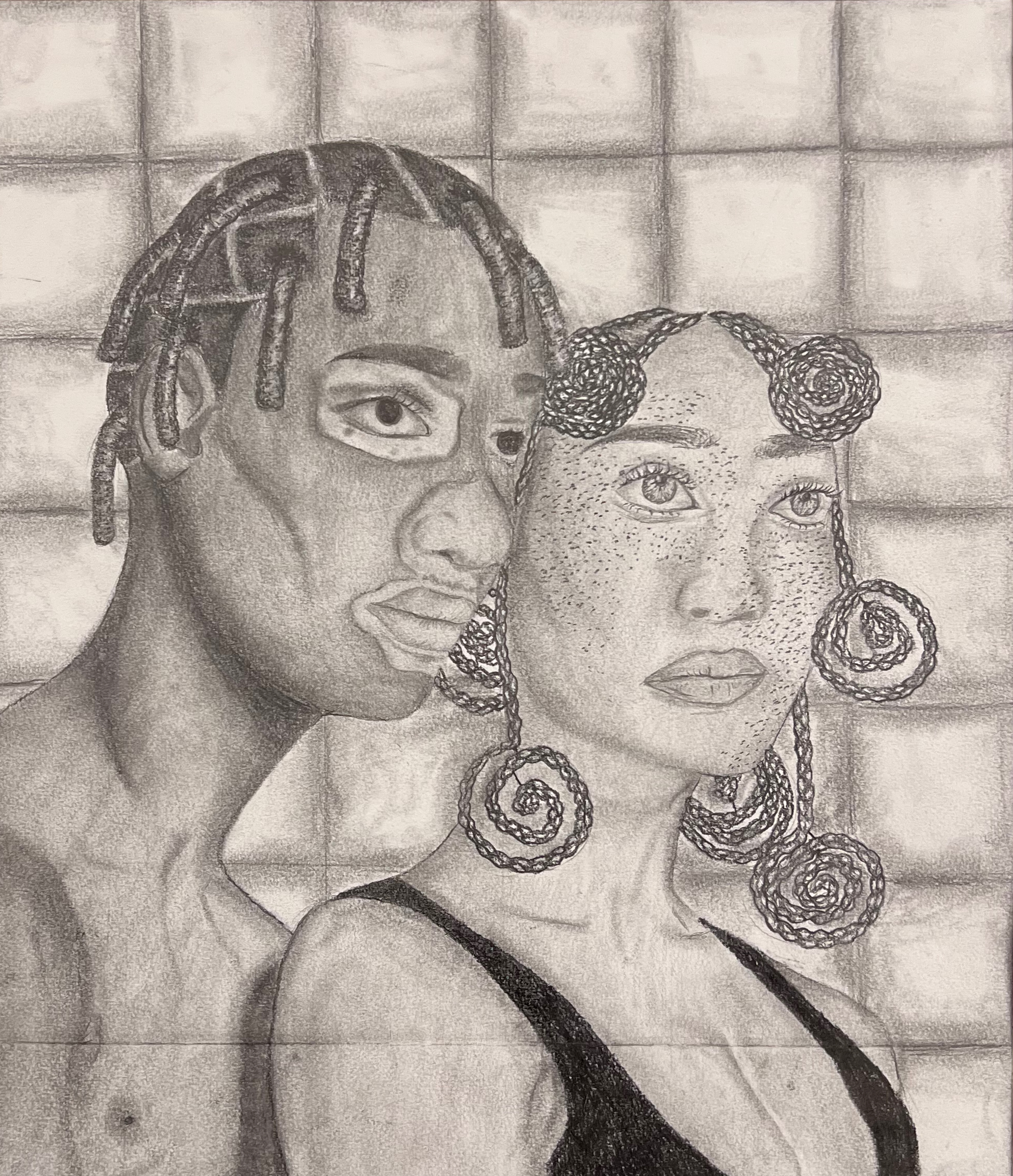
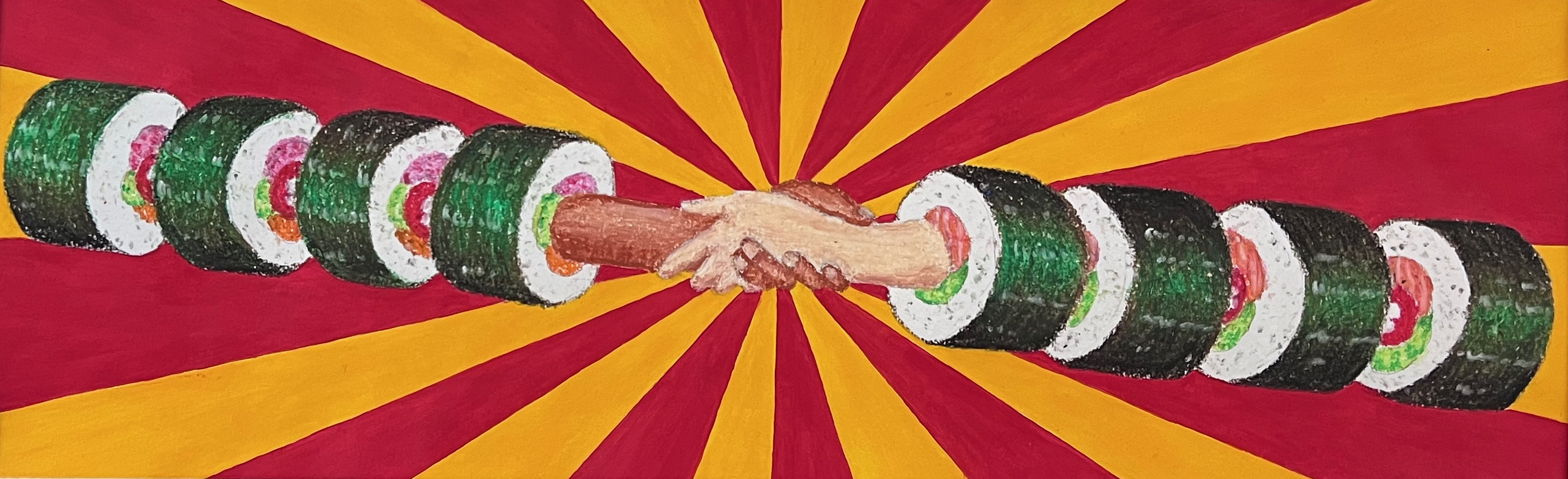
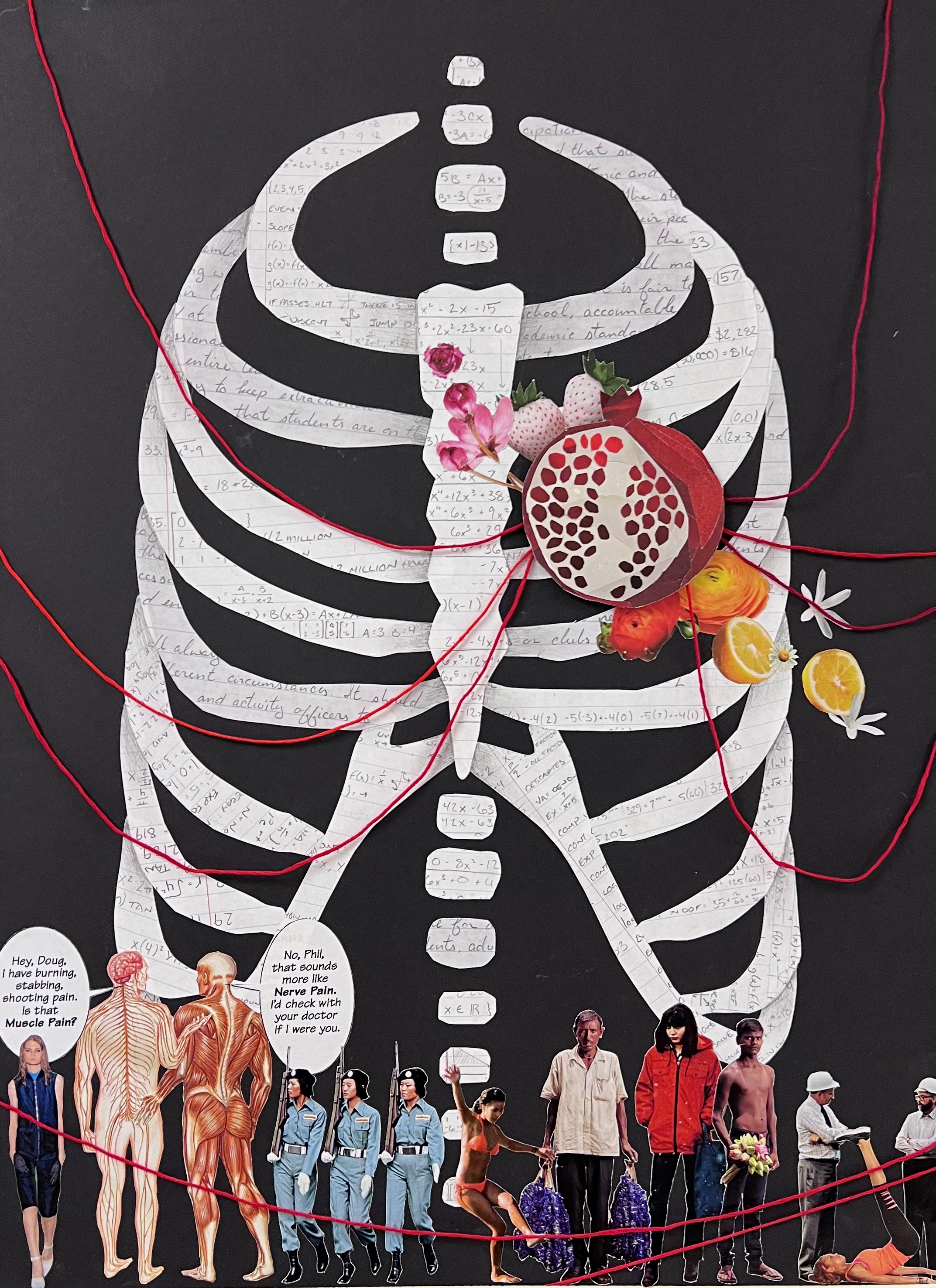
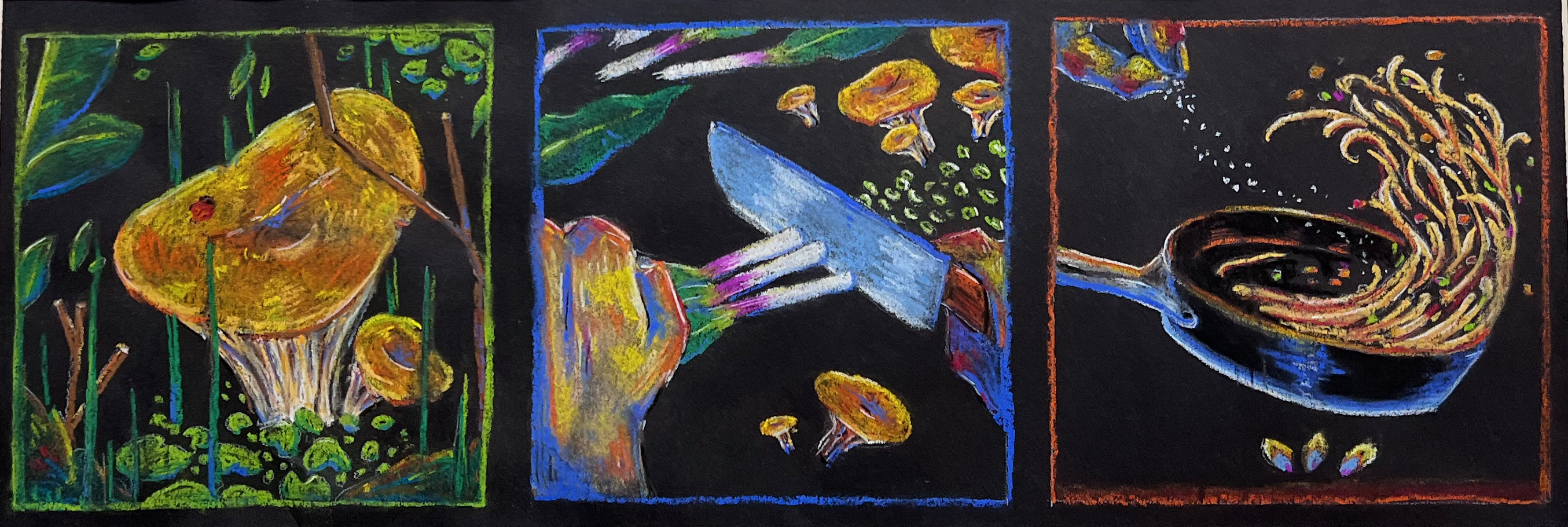
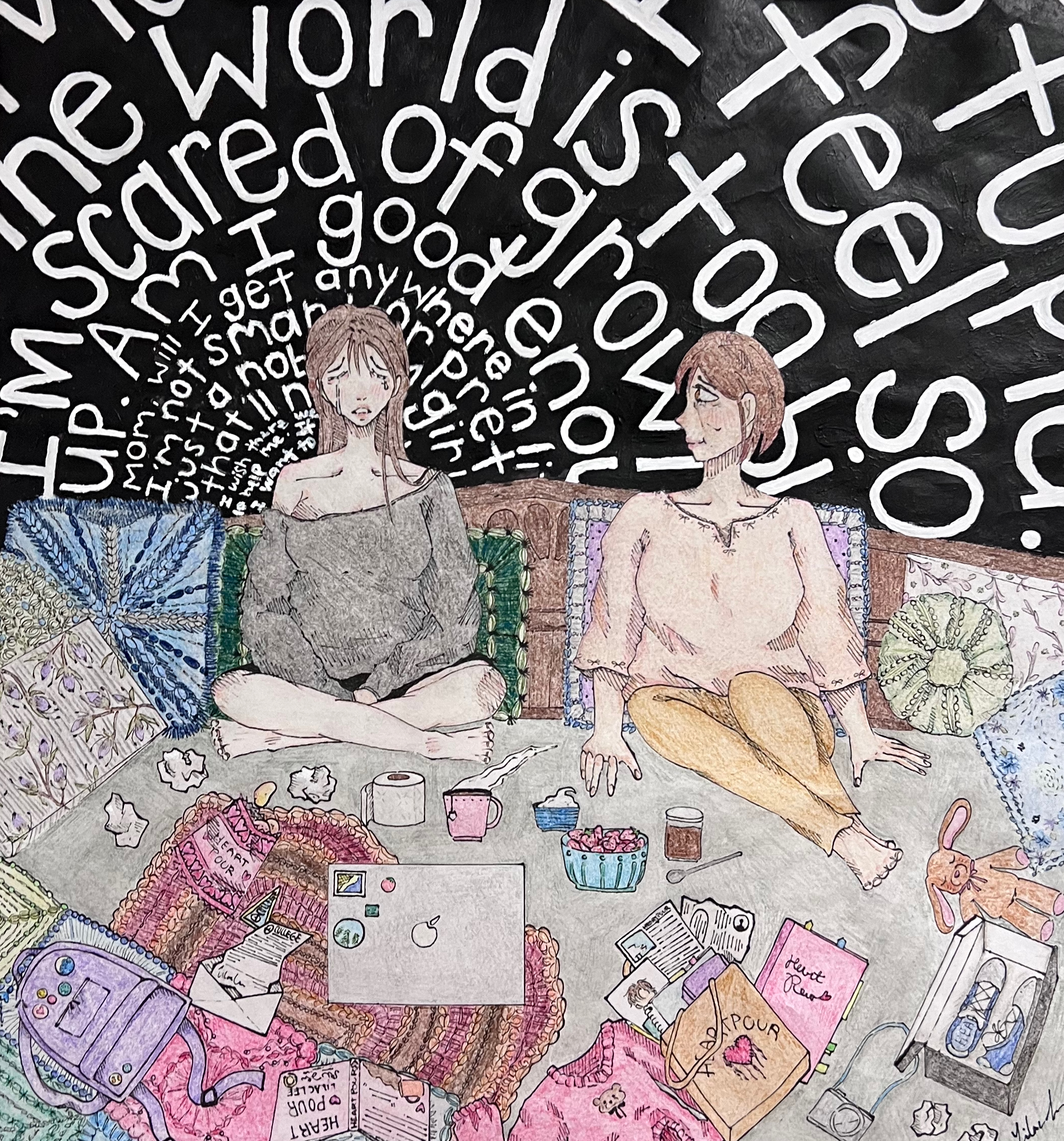
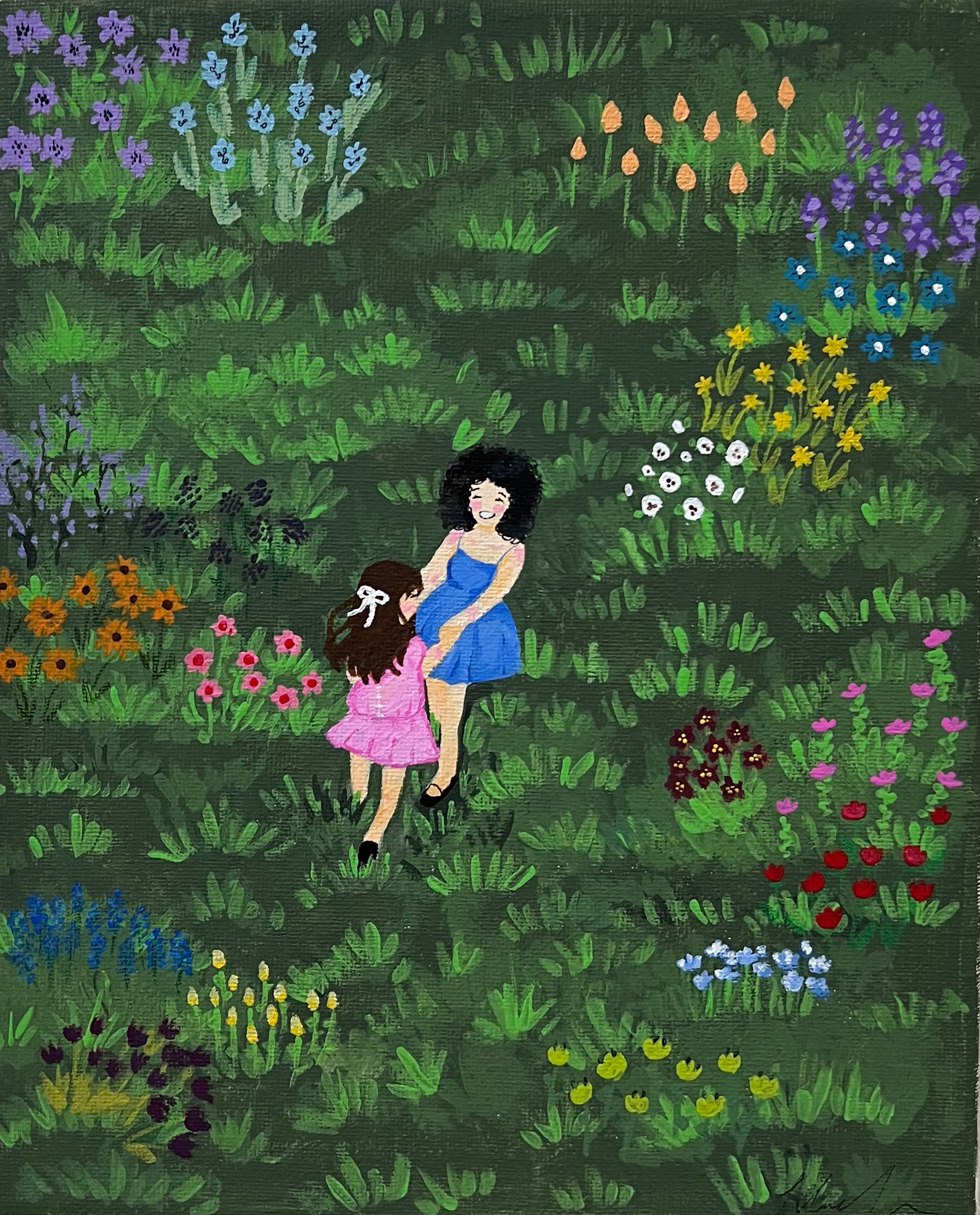
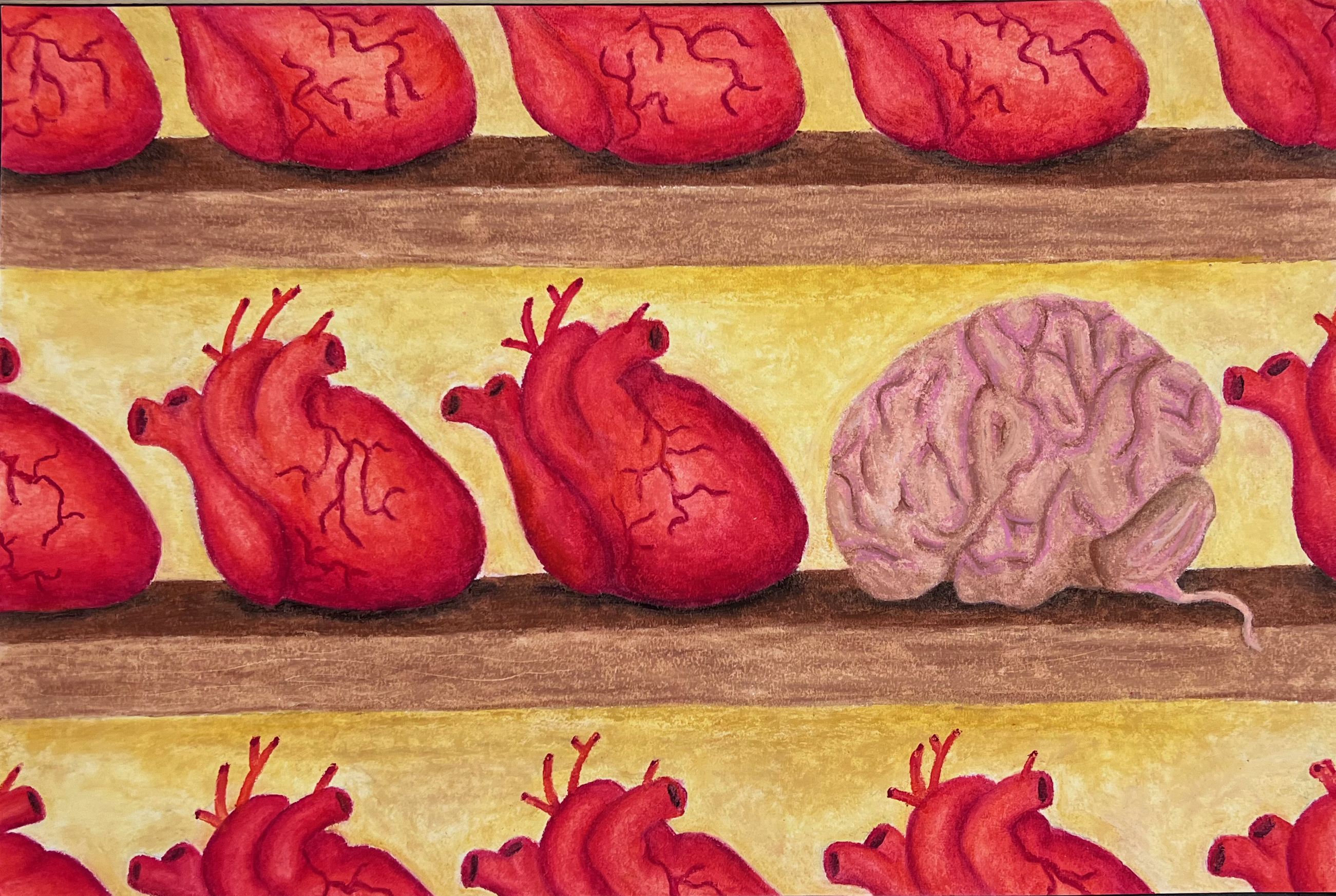
Here is a collection of original artworks addressing Equity, Diversity, Inclusion, Social Emotional Learning, and Belonging through their perspective, curiosities, and ideas.
Belonging (2024) by Maya B.
This piece is 64 frames of animation, played at 8 frames per second. In order to prioritize my time, I had to make the drawings very simple, but with the black and white imagery it resulted in a fairly interesting outcome. To me, the animation conveys the journey of learning how to belong within your own skin.



In Conclusion
The intention behind this action research project was to provide art students with a platform to exercise agency over their learning to gain ownership, build camaraderie, and increase engagement. The goals are a) to encourage them to create a support system within the art room, b) to socialize as artists, and c) to provide them a space to take creative risks, experiment, and build empathy towards each other. Throughout this unit, friendships sparked as they shared common experiences that embraced their identity, perspective, and voice to communicate how they see the world in the form of a student-led exhibition.
The first step to create an authentic art experience is to let go of the control we, as art teachers, have over our art curriculum. The decision-making process should center on students’ voices. Students shared a common experience of reflecting, responding, and addressing what they felt was important to contribute to a better classroom culture.
Guiding art students through a complex system that exists in the gallery world in the form of an exhibition is one of the best ways to tackle significant timely issues and trends that are happening today in the art/education landscape. Students need a place of belonging within the art room and beyond. Creating original artworks that are relevant to their lives provided an avenue for conversations centered on equity, diversity, inclusion, belonging, and social-emotional learning.
Addressing difficult issues is a necessity in preparing them for life after graduation. These issues lay at the forefront of art education. How we address them will vary from one art educator to the next. Sometimes what we think is appropriate may not be the best solution. Involving art students into these conversations can provide a path to create something impactful that results in an increase in engagement, collaboration, and understanding. It provided them the freedom to express their identity, curiosities, and ideas by amplifying their voices. There are important interpersonal and intrapersonal skills that are taking place that are transferable to any field even if they do not go into the field of art.
Equity, diversity, inclusion, belonging, and social emotional learning have become pillars within my teaching practice. Nowadays, I think about these timely issues and trends as I design new curriculum. As an art teacher and artist, I want to equip my students with the necessary art and business of art skills possible to advocate for themselves and others. We all have our differences, which makes us unique. I want them to create the world that they want to live in. Their ideas matter. It is important to listen to what they have to say through the power of art.
 nhsartdept.com